







Archivo de noticias y eventos
1 - 50 de un total de 484
También puede acceder a la lista de noticias publicadas en los medios relacionadas con el Instituto de Astrofísica de Andalucía - CSIC.
Pages
|
17/05/2024
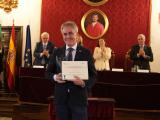
El IAA-CSIC recibe el premio a la Internacionalización otorgado por el Consejo Social de la UGR El Instituto de Astrofísica de Anadalucía (IAA-CSIC) ha recibido el Premio del Consejo Social a instituciones, empresas u organizaciones que se distingan especialmente por sus acciones en el ámbito de la internacionalización estratégica orientadas al desarrollo de la Universidad de Granada, o del tejido social y productivo de Granada. |

|
15/05/2024
Hallado un planeta de tipo terrestre en una estrella enana ultrafría Investigadores del IAA-CSIC participan en el descubrimiento de uno de los escasos sistemas planetarios conocidos en este tipo de estrellas En los resultados, publicados hoy en Nature Astronomy, han contribuido los observatorios de Sierra Nevada y de Calar Alto |

|
14/05/2024
Descubierto un planeta gigante tan ligero como el algodón de azúcar El Instituto de Astrofísica de Andalucía (IAA-CSIC) colidera el estudio del segundo planeta más ligero descubierto hasta la fecha |
|
06/05/2024
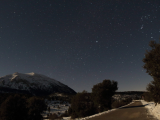
La Oficina de Calidad del Cielo del IAA-CSIC acredita la calidad de los cielos nocturnos del Geoparque de Granada El Instituto de Astrofísica de Andalucía ha llevado a cabo el trabajo científico por encargo de la Diputación de Granada El estudio posicionará al Geoparque como destino preferente de astroturismo |
|
06/05/2024
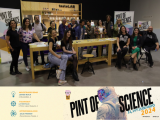
El festival Pint of Science organiza 18 charlas de divulgación científica en los bares de Granada El festival internacional de divulgación científica se celebrará los días 13, 14 y 15 de mayo en toda España, con entrada gratuita En Granada, Pint of Science se celebrará en los bares La Tertulia, Lemon Rock y Sala Premier El programa completo puede consultarse en https://pintofscience.es/events/granada |
|
24/04/2024
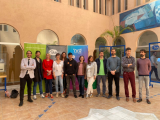
Científicos ciudadanos de Granada miden el ‘cante’ de las estrellas y la calidad del aire de la ciudad Investigadores del Instituto de Astrofísica de Andalucía y de la Universidad de Granada lideran dos proyectos de ciencia ciudadana donde traducirán a sonidos datos procedentes de las estrellas Delta Scuti y elaborarán un mapa de contaminación atmosférica en la capital. Ambas iniciativas forman parte del proyecto ‘Andalucía + ciencia ciudadana’, impulsado por la Consejería de Universidad, Investigación e Innovación y coordinado por Fundación... |
|
08/04/2024
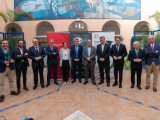
Éxito de la I Reunión IAA - DONES El I Encuentro IAA-DONES confirma las oportunidades empresariales de la economía del conocimiento Cerca de un centenar de profesionales se han reunido en este primer encuentro marcado por la búsqueda de iniciativas de colaboración científicas, tecnológicas, sociales, empresariales e industriales. |
|
27/03/2024
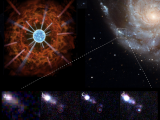
Cazada una estrella supergigante roja recién colapsada Detectada la explosión de una estrella supergigante apenas una hora después de su colapso. Los observatorios amateur han sido clave en la detección de la supernova en sus fases iniciales. El IAA-CSIC participa de este estudio publicado en Nature a través de su red global de telescopios robóticos BOOTES |
|
27/03/2024
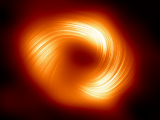
Revelados intensos campos magnéticos espirales en el borde del agujero negro del centro de nuestra galaxia La colaboración del Telescopio Horizonte de Sucesos (EHT) ha presentado la primera imagen en luz polarizada de SgrA*, el agujero negro supermasivo situado en el centro de nuestra galaxia. Esta imagen revela la presencia de intensos y organizados campos magnéticos que emergen en forma de espiral desde el borde mismo del agujero negro. |
|
18/03/2024
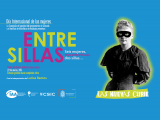
ENTRE SILLAS: LAS NUEVAS CURIE”, UNA INVITACIÓN A TRAVÉS DEL TEATRO A REFLEXIONAR: 6 MUJERES, 3 ENTREVISTAS, 2 SILLAS El teatro del Centro Federico García Lorca acogerá esta actividad, enmarcada dentro de la conmemoración del 8M, el día 22 de marzo a las 20.00 horas. Se trata de conocer lo que supone ser una anomalía femenina en un mundo de hombres a través de la figura de Madame Curie |
|
21/02/2024
Observan por primera vez la formación de ‘tierras raras’ tras la fusión de dos estrellas de neutrones Un estudio con participación del Instituto de Astrofísica de Andalucía (IAA-CSIC) muestra una kilonova como fuente de elementos pesados, incluyendo las preciadas ‘tierras raras’ El trabajo, publicado en ‘Nature’, destaca este tipo de fenómenos explosivos y extremadamente energéticos como el entorno idóneo para la formación de metales más pesados que el hierro y la plata |
|
06/02/2024
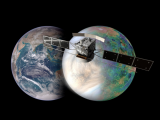
La Agencia Espacial Europea aprueba la construcción de EnVision, la próxima gran misión a Venus El Instituto de Astrofísica de Andalucía (IAA-CSIC) participa tanto en su desarrollo tecnológico como en su retorno científico. La misión estudiará su núcleo y su atmósfera para comprender su actividad volcánica y su clima y averiguar cómo este gemelo de la Tierra se volvió tan inhóspito. |
|
31/01/2024
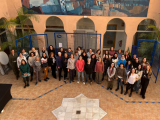
Día Internacional de la Mujer y la Niña en la Ciencia 2024 El Instituto de Astrofísica de Andalucía se suma un año más a la celebración del Día Internacional de la Mujer y la Niña en la Ciencia, que tiene como objetivo visibilizar la labor científica de las mujeres y fomentar las vocaciones en las niñas |
|
29/01/2024
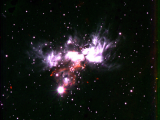
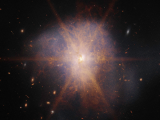
La región AFGL 5180, cuna de estrellas gigantes en formación, revela sus secretos en el infrarrojo El Instituto de Astrofísica de Andalucía (IAA-CSIC) encabeza un estudio que alumbra, con un detalle inédito, una región de formación estelar masiva |
|
18/01/2024
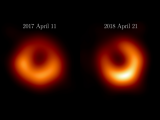
M87*, un año después: la persistente prueba de la sombra de un agujero negro El Instituto de Astrofísica de Andalucía (IAA-CSIC) participa en la colaboración internacional que confirma la existencia de un anillo brillante que corresponde a la sombra del agujero negro de la galaxia Messier 87 La estabilidad del diámetro del anillo respecto a los datos obtenidos en 2017 respalda la conclusión de que el agujero negro M87 estaría descrito de forma correcta por la teoría de la relatividad general |
|
17/01/2024
Arrancan las sesiones del proyecto PIIISA 23/24 El IAA-CSIC participa con cinco proyectos de investigación |
|
15/01/2024
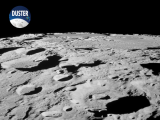
Proyecto DUSTER: un estudio del polvo lunar en preparación de futuras misiones de exploración Mientras las agencias espaciales se preparan para regresar a la Luna, equipos científicos e ingenieros se enfrentan al desafío de mitigar un importante riesgo ambiental: el polvo El Instituto de Astrofísica de Andalucía (IAA-CSIC) participa en el proyecto DUSTER, que estudiará las partículas de polvo cargadas, que suponen un grave riesgo para la salud de los exploradores humanos y para los instrumentos espaciales |
|
08/01/2024
Galaxias cazadas en pleno ‘rejuvenecimiento’ químico Un equipo del IAA-CSIC lidera un pionero estudio que desvela el papel crucial de las fusiones galácticas en la evolución química de las Galaxias Infrarrojas Ultraluminosas. |
|
26/12/2023
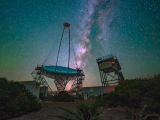
Detectado el AGN más distante observado hasta la fecha en muy altas energías La detección ha sido realizada por el LST-1, primer telescopio LST del Observatorio CTAO. El Instituto de Astrofísica de Andalucía (IAA-CSIC) participa en las observaciones y análisis de los datos. |
|
12/12/2023
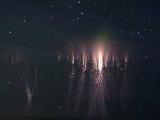
Revelan el origen de los fantasmas, un tipo de eventos luminosos transitorios que se producen en la atmósfera Los fantasmas (o GHOSTs) forman parte de una familia de eventos que, aunque se relacionan con los rayos de tormenta, se producen en la mesosfera, decenas de kilómetros sobre las nubes. El Instituto de Astrofísica de Andalucía (IAA-CSIC) encabeza el primer estudio espectroscópico de estos infrecuentes y breves fenómenos, que los asocia con compuestos inesperados, como hierro y níquel |
|
05/12/2023
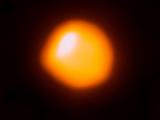
La noche del 11 al 12 de diciembre la estrella Betelgeuse desaparecerá… por unos segundos En torno a las 2:15 de la madrugada del 12 de diciembre, el asteroide Leona pasará por delante de la estrella supergigante roja Betelgeuse, un evento muy poco habitual que podrá observarse a simple vista. El Instituto de Astrofísica de Andalucía (IAA-CSIC) ha organizado una campaña de observación del fenómeno, que permitirá estudiar tanto el asteroide como la atmósfera de la estrella |
|
29/11/2023
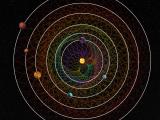
Una danza cósmica revela un sistema de seis planetas El Instituto de Astrofísica de Andalucía (IAA-CSIC) participa en el descubrimiento de un sistema séxtuple con órbitas sincronizadas, cuya configuración demuestra que permanece inalterado desde su formación hace más de mil millones de años. El resultado ha sido posible gracias a una colaboración internacional con datos de los satélites CHEOPS (ESA) Y TESS (NASA), así como del instrumento CARMENES del Observatorio de Calar Alto |

|
23/11/2023
El IAA-CSIC se prepara para una investigación climática pionera desde el espacio La misión CAIRT, en cuyo diseño científico ha participado el Instituto de Astrofísica de Andalucía (IAA-CSIC), se halla entre las dos propuestas seleccionadas por la Agencia Espacial Europea (ESA) para pasar a la Fase A del programa Earth Explorer 11. CAIRT tiene como objetivo estudiar cómo reacciona la atmósfera terrestre al cambio climático |
|
21/11/2023
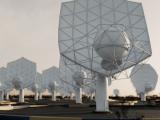
El IAA-CSIC aborda el desafío computacional del Observatorio SKA para estudiar el nacimiento de las primeras estrellas Junto con otros dos centros del CSIC, ha aportado su experiencia en big data para afrontar uno de los restos del futuro observatorio, que investigará la fase del Universo en la que se formaron las estrellas. El Observatorio del SKA, la mayor infraestructura científica proyectada hasta la fecha, constituye un esfuerzo internacional para construir los radiotelescopios más potentes del mundo |

|
13/11/2023
Granada acoge una reunión internacional para abordar el problema de la contaminación lumínica enmarcada en la presidencia española de la UE El Instituto de Astrofísica de Andalucía (IAA-CSIC), a través de su Oficina de Calidad del Cielo, organiza este encuentro en colaboración con la Red Española de Contaminación Lumínica. La cita reunirá en Granada a más de cincuenta expertos en contaminación lumínica de diferentes países europeos |
|
26/10/2023
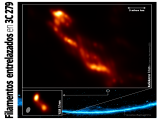
Observaciones con interferometría espacial revelan filamentos helicoidales en el interior del chorro lanzado por un agujero negro supermasivo El Instituto de Astrofísica de Andalucía (IAA-CSIC) encabeza la observación con mayor resolución y sensibilidad del chorro de material que emerge del núcleo de la galaxia 3C 279 a casi la velocidad de la luz |
|
23/10/2023
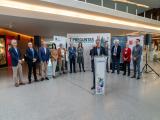
Granada acoge el encuentro anual de los centros de excelencia científica de la Alianza SOMMa Granada acoge el encuentro anual de los centros de excelencia científica de la Alianza SOMMa |
|
18/10/2023
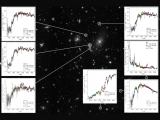
J-PAS: comienza el mayor cartografiado del cosmos Observará cientos de millones de galaxias desde el Observatorio Astrofísico de Javalambre con el objetivo de comprender la expansión acelerada del Universo |
|
16/10/2023
¡100xCiencia.7 ya está aquí! El Parque de las Ciencias de Granada acogerá el 23 y 24 de octubre la séptima edición de 100xCiencia, el encuentro anual de la alianza SOMMa que reúnirá a la comunidad científica de los Centros de Excelencia Severo Ochoa y Unidades de Excelencia María de Maeztu. 100xCiencia.7 está coorganizado por SOMMa junto a los anfitriones de este año: el Instituto de Astrofísica de Andalucía (IAA-CSIC) y el Instituto de... |
|
28/09/2023
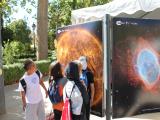
Vuelve la La Noche Europea de l@s Investigador@s La Noche Europea de los Investigadores vuelve a su cita anual con la sociedad granadina. Más de 440 investigadores e investigadoras participarán en este acto de divulgación científica especialmente relevante que, además de en Granada, se celebra en más de 400 ciudades europeas. |
|
27/09/2023
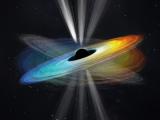
Dos décadas de observación de la galaxia M87 muestran un chorro oscilante conectado a un agujero negro giratorio El Instituto de Astrofísica de Andalucía (IAA-CSIC) participa en el seguimiento, durante veintitrés años, del agujero negro supermasivo central de la galaxia M87, el primero del que se obtuvo una imagen. El estudio revela que el chorro que emerge del centro oscila, lo que aporta a su vez la primera evidencia de rotación de un agujero negro supermasivo |
|
15/09/2023
ASTROSOUND II: Miradores al Cosmos El Instituto de Astrofísica de Andalucía (IAA-CSIC), en colaboración con el Festival Granada Sound y el Ayuntamiento de Granada, recibirá a los “granasounders” con una gran exposición digital en una pantalla LED gigante junto a las casetas de acreditaciones del festival, que este año estarán situadas en la Fuente de las Granadas. |
|
11/09/2023
La UGR y el IAA-CSIC unen fuerzas para colaborar en la investigación climática y ecológica en la alta montaña de Sierra Nevada La Universidad de Granada y el Consejo Superior de Investigaciones Científicas (CSIC), a través del Instituto de Astrofísica de Andalucía (IAA-CSIC), han formalizado un convenio con el objetivo de fortalecer la cooperación en el ámbito de la investigación climática y ecológica en Sierra Nevada |
|
29/09/2023
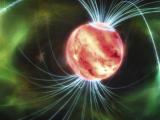
La Noche de l@s Investigador@s 2023 La Noche Europea de l@s Investigador@s se celebra este año el 29 de septiembre en las ocho capitales andaluzas y nosotros te invitamos a Granada a celebrar con nosotr@s en el Stand del IAA-CSIC en el Paseo del Salón. |
|
05/09/2023
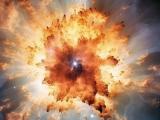
Se obtiene la primera imagen detallada de un cinturón de radiación fuera del Sistema Solar Ha sido detectado en torno a una enana marrón, un tipo de subestrella fría y de baja masa. Publicada en Science, la imagen evoca los conocidos cinturones de la Tierra y Júpiter y revela un campo magnético diez veces superior al del Júpiter, así como intensas auroras polares |
|
01/09/2023
NIRS3: la protoestrella que muestra cómo crecen las estrellas gigantes El Instituto de Astrofísica de Andalucía (IAA-CSIC) encabeza el análisis más nítido de esta protoestrella masiva en formación, que sugiere que alterna episodios recurrentes de acumulación y expulsión de material |
|
02/08/2023
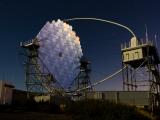
Observaciones de la Nebulosa del Cangrejo confirman el excepcional desempeño del primer telescopio LST del Observatorio CTA Con más de sesenta telescopios situados en ambos hemisferios, el Observatorio CTA será el principal observatorio de rayos gamma durante las próximas décadas. El Instituto de Astrofísica de Andalucía (IAA-CSIC) participa en el proyecto y en el artículo sobre el desempeño del telescopio LST-1, un hito en el proyecto |
|
25/07/2023
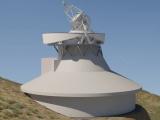
El IAA-CSIC y el IAC participan en la creación de la Fundación Canaria Telescopio Solar Europeo Nueve instituciones de siete países europeos han firmado hoy las escrituras de esta entidad, que allana el camino hacia la futura construcción del Telescopio Solar Europeo (EST). Uno de los principales objetivos de EST reside en mejorar la comprensión del Sol mediante la observación de sus campos magnéticos con un detalle sin precedentes |
|
28/06/2023
Las emisiones de varios compuestos oceánicos enfrían el clima, pero no compensan el calentamiento El Instituto de Astrofísica de Andalucía (IAA-CSIC) participa en un estudio que destaca la influencia de una serie de compuestos que emite el océano en el clima terrestre. El equipo científico, que incide en que este efecto no contrarresta el calentamiento producido por las emisiones humanas, destaca la necesidad de incluirlo en los modelos climáticos para mejorar sus predicciones |
|
28/06/2023
Las galaxias en los grandes vacíos del universo crecen más despacio que el resto El IAA-CSIC participa en un estudio que muestra por primera vez de manera observacional que las galaxias en las regiones poco densas del universo evolucionan más despacio que aquellas en zonas muy pobladas. El resultado se enmarca en el proyecto CAVITY, encabezado por la Universidad de Granada y desarrollado desde el Observatorio de Calar Alto (CAHA) |
|
20/06/2023
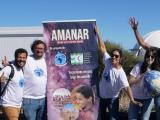
El proyecto Amanar acerca un año más la ciencia a jóvenes saharauis en España El Proyecto Amanar, creado en 2019 con el objetivo de inspirar a través de la astronomía a las niñas y niños procedentes de los campos de refugiados saharauis cerca de la ciudad de Tinduf (Argelia), vuelve en una nueva edición en verano de 2023 |

|
14/06/2023
El exoplaneta LP 890-9 c, un laboratorio para distinguir gemelos distantes de Venus y la Tierra El Instituto de Astrofísica de Andalucía (IAA-CSIC) participa en el desarrollo de un modelo climático global en 3D del planeta extrasolar LP 890-9 c. Estos modelos resultan esenciales para analizar los exoplanetas similares a la Tierra, así como para estudiar su evolución |

|
07/06/2023
La Fundación Española para la Ciencia y la Tecnología (FECYT) concede al IAA-CSIC financiación para cuatro proyectos divulgativos El Instituto de Astrofísica de Andalucía (IAA-CSIC) obtiene un total de 122000 euros en la Convocatoria de Ayudas para el fomento de la Cultura Científica, Tecnológica y de la Innovación 2022. Los proyectos apuestan por formatos novedosos y multidisciplinares, y abarcan propuestas de vídeo, teatro, improvisación y divulgación a pie de calle |
|
31/05/2023
El cielo del Geoparque de Granada, amenazado por la contaminación lumínica Un estudio, desarrollado por la Oficina de Calidad del Cielo del Instituto de Astrofísica de Andalucía (IAA-CSIC), revela un deterioro del cielo del Geoparque, así como la necesidad de implantar medidas para preservar la oscuridad nocturna |
|
17/05/2023
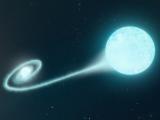
La primera detección en radio de una supernova de tipo Ia aporta luz, tras décadas de debate, al origen de estas explosiones Estos estallidos, que muestran una luminosidad similar en casi todos los casos, se emplean para medir distancias en el universo o para el estudio de la energía oscura. El trabajo, en el que participa el Instituto de Astrofísica de Andalucía (IAA-CSIC), muestra que la explosión se produjo en un sistema doble de estrellas en el que una enana blanca robaba material de su compañera, de tipo solar |
|
17/05/2023
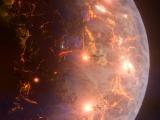
Encuentran un planeta de tipo terrestre que podría hallarse cubierto de volcanes El Instituto de Astrofísica de Andalucía (IAA-CSIC) participa en el descubrimiento de un tercer planeta en torno a la estrella cercana LP791-18. Con un tamaño algo mayor que el nuestro, su interacción gravitatoria con el planeta más masivo del sistema podría generar una intensa actividad volcánica |

|
17/05/2023
La delegación de Educación, la UGR y el CSIC inauguran el Congreso del Proyecto de Iniciación a la Investigación e Innovación en Secundaria en Granada Más de 300 estudiantes de 56 institutos de Secundaria de toda la provincia han participado en experiencias reales de investigación en centros del CSIC y la UGR |
|
26/04/2023
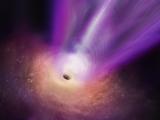
Se fotografía por primera vez la sombra de un agujero negro junto a su potente chorro de partículas El Instituto de Astrofísica de Andalucía (IAA-CSIC) participa en la obtención de una panorámica inédita, que muestra por primera vez el agujero negro y el chorro de materia que emerge de él. Los datos revelan que el agujero negro de la galaxia M87, el primero del que se obtuvo una imagen, consume materia a un ritmo muy bajo |
|
20/04/2023
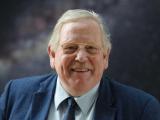
El premio Nobel Reinhard Genzel repasa en Granada los principales hallazgos sobre agujeros negros El Instituto de Astrofísica de Andalucía (IAA-CSIC) organiza una conferencia de Reinhard Genzel, que obtuvo el premio Nobel de Física en 2020 por el descubrimiento del agujero negro del centro de la Vía Láctea. La sesión, con entrada libre hasta completar aforo, tendrá lugar en el auditorio del Parque de las Ciencias el lunes 24 de abril a las 19:30 h |
|
12/04/2023
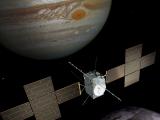
La misión JUICE despega con destino a Júpiter Mañana 13 de abril tendrá lugar, desde el Puerto Espacial de Kourou (Guayana Francesa), el lanzamiento de JUICE, la misión de la Agencia Espacial Europea (ESA) para el estudio las lunas heladas de Júpiter. El Instituto de Astrofísica de Andalucía (IAA-CSIC) participa en dos de los instrumentos de la misión, el altímetro láser GALA y la cámara JANUS |